
Host Ambitious
Global Talent.
Join a global community that champions cultural exchange. Partnering with Bridge Aspire connects your organization with skilled international interns — bringing new energy and perspectives to your team.
No placement fees.
Streamlined Sponsorship Support For

See Our Interns & Trainees in Action
From 5-Star resorts to cutting-edge engineering labs, Bridge Aspire participants are gaining valuable training across the USA.
Engineering
IT & Tech
Hospitality
Business
Why Host J-1 Visa International Students?
It’s not just about filling a seat. It’s about injecting diversity, ambition, and global perspective into your organization.
No-Cost Placement
We source, match, and coordinate candidates through our trusted U.S. sponsor network, so you can focus on what matters most: hosting top global talent.
Tax Advantages
J-1 Visa participants are exempt from FICA (Social Security & Medicare) and FUTA taxes. This significantly reduces payroll costs for host organizations.
Cultural Exchange
Enrich your organization with diverse perspectives. International trainees bring new methods, diverse viewpoints, and high energy to your projects.
Host Organization Eligibility
Bridge Aspire partners with U.S. organizations committed to providing meaningful, structured training. To ensure the quality and compliance of every program, host organizations must meet these core criteria:
- Direct Supervision Provide direct, on-site supervision and mentoring by experienced staff throughout the program.
- Structured Training Plan Deliver a guided plan (Form DS-7002) that includes mentorship, classroom-style sessions, and hands-on learning.
- Workers’ Compensation Must maintain a valid Workers’ Compensation insurance policy (or proof of state exemption).
- No Displacement The position must be a bona fide educational experience, not a substitute for ordinary employment or a means to displace U.S. workers.
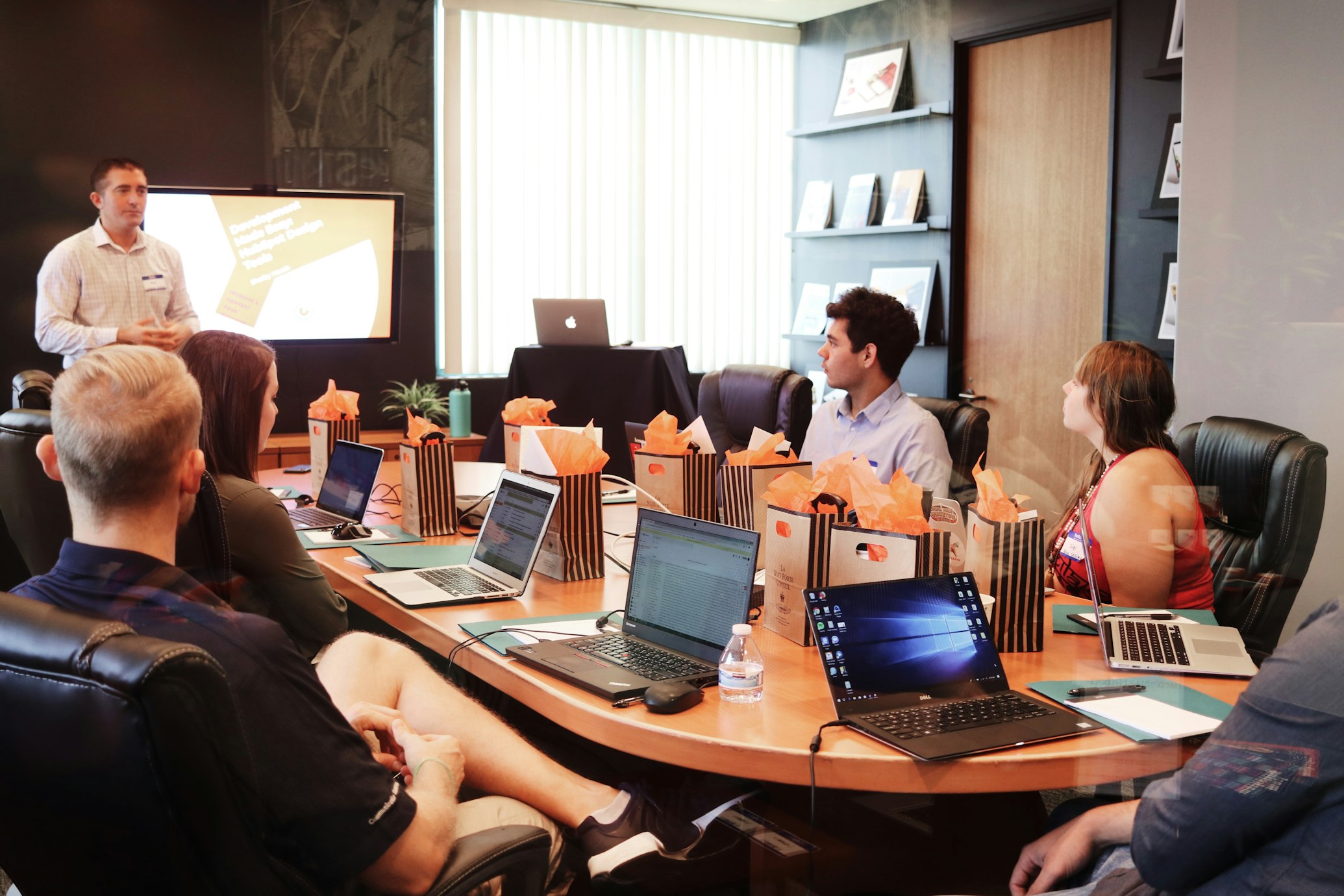
We adhere strictly to U.S. Department of State regulations. From site visits to tax reporting guidance, we ensure your program is audit-ready and culturally enriching.
Hospitality Training Standards
For our partners in the hotel and fine-dining sectors, the J1 program is about structured, rotational skill development, not casual labor.
Eligible Environments
- Full-service Hotels & Resorts
- Fine-Dining Establishments
- Culinary & Banquet Operations
Rotational Training
To maintain the integrity of the training experience, placements must offer a comprehensive learning environment. Participants rotate through departments (e.g., Front Desk → Concierge → Events) to understand management operations.
Prohibited Roles
We cannot approve placements for unskilled or counter-service labor. The following are not eligible:
Sample Rotational Programs
Our programs are structured into distinct phases to ensure progressive learning. Here are examples of compliant 12-month training plans for Hospitality.
Front Office & Rooms Division
Front Desk Operations
- Check-in/Check-out procedures
- Guest service & conflict resolution
- Property Management Systems (PMS)
Concierge & Guest Services
- VIP guest handling
- Local area expertise & itinerary planning
- Inter-departmental communication
Rooms & Revenue Management
- Occupancy forecasting
- Rate strategy & inventory control
- Supervisory shadowing
Culinary Arts & Kitchen Operations
Garde Manger & Prep
- Knife skills & station setup
- Cold food preparation (salads, appetizers)
- Sanitation & safety standards
Hot Line (Sauté, Grill, Broil)
- Mastering cooking techniques
- Timing & plating consistency
- Working under pressure during service
Kitchen Management & Cost Control
- Inventory & ordering
- Menu planning & costing
- Expediting & team supervision
Partnership is an Ongoing Process
We handle the details—you enjoy the results.
Vetting
Verification of EIN, safety protocols, and insurance.
Evaluations
Submission of Midpoint and Final participant reviews.
Cultural Exchange
Fostering collaboration between U.S. staff and international participants.
Support
Ongoing guidance and 24/7 emergency line for all participants.
Ready to Host Global Talent?
Partnering as a Host Organization means joining a global network committed to professional growth and intercultural learning.
Program Details & Compliance Library
Comprehensive guidelines on eligibility, sponsored fields, and training standards.
General Host Eligibility & Requirements
Core Requirements
- Compliance: Abide by all federal, state, and local labor and occupational health laws.
- Compensation: Internship programs exceeding 6 months and all Trainee programs must be paid at least the state/local minimum wage.
- Professional Setting: Provide training in an office-type setting. Home-based businesses are not permitted.
- Supervision Ratio: Must have at least 3 full-time onsite employees. To host multiple participants, a ratio of 5 full-time employees per J-1 participant is required.
- English Environment: Must have an English-language website and company-based email addresses.
- Operational History: Must be in business and operational for at least six months.
Required Documents
- Valid Workers’ Compensation policy covering J-1 participants (or proof of exemption).
- Federal Employer Identification Number (FEIN).
- DUNS number or copy of business registration.
- Signed DS-7002 Training Plan.
Fields & Industries
J-1 Programs falling under the following categories:
The Sciences, Engineering & Industrial
Architecture, Engineering (Civil, Mechanical, Electrical), IT, Data Science, Mathematics, Industrial Design, Biotechnology.
Management, Business & Finance
Accounting, Advertising, Business Admin, HR, Marketing, Logistics, Operations Management, Sales, Finance.
Hospitality & Tourism
Culinary Arts, Hotel Management, Tourism Promotion, Travel Services.
Information Media & Comms
Digital Media, Graphic Design, Journalism, Publishing, Public Relations.
Arts & Culture
Arts Management, Museum Studies, Performing Arts, Film/Video Production.
Public Administration & Law
International Law, Public Policy, Non-Profit Management.
Training Standards & Prohibited Roles
Training Standards
Programs must provide full-time (32-45 hrs/week) professional-level training. They must not be used for ordinary employment or to fill labor needs.
- No displacement of American workers.
- No more than 20% clerical/basic work.
- Must provide cultural exposure to U.S. business practices.
Prohibited Training & Locations
We cannot facilitate programs involving:
- Animal care / Veterinary medicine
- Child care / Au Pair / Teaching
- Clinical patient care (Medical/Dental)
- Social work / Psychological counseling
- Trades (Construction, Carpentry, etc.)
- Agricultural/Farm labor
- Fast Food / Quick Service Restaurants
- Retail stores / Mall kiosks
- Spas / Salons / Gyms
- Call centers / Help desk support
Hospitality Host Requirements
Eligible Hospitality Hosts
Hotels/Resorts: Rated 3-Diamond (AAA) or 4-Star (Forbes).
Restaurants: High-end, fine dining, sit-down establishments.
Program Structure
- Rotations: Programs 6 months or longer require at least 3 rotations (max 3-4 months each).
- Academic Match: Applicants must demonstrate a hospitality degree or relevant experience.
- Limit: Hospitality programs are limited to 12 months maximum.
Non-Eligible Locations
Motels, Hostels, Fast Food, Casual Dining Chains, Pizza Parlors, Bakeries (except pastry training), Food Trucks.
Acceptable vs. Prohibited Tasks (Hospitality)
Acceptable Training
- Front Desk & Concierge
- Hotel/Restaurant Inventory
- Back Office Management
- Catering/Event Planning
- Culinary: Recipe development, Menu planning, Station management
Prohibited Tasks
- Bartending
- Bussing Tables
- Housekeeping / Laundry
- Dishwashing
- Valet / Bellhop
- Night Audit (overnight hours)
- Cashiering as primary role
*Basic service tasks (waiting tables, prep) may constitute no more than 20% of the training program and must be for the purpose of learning management skills.


